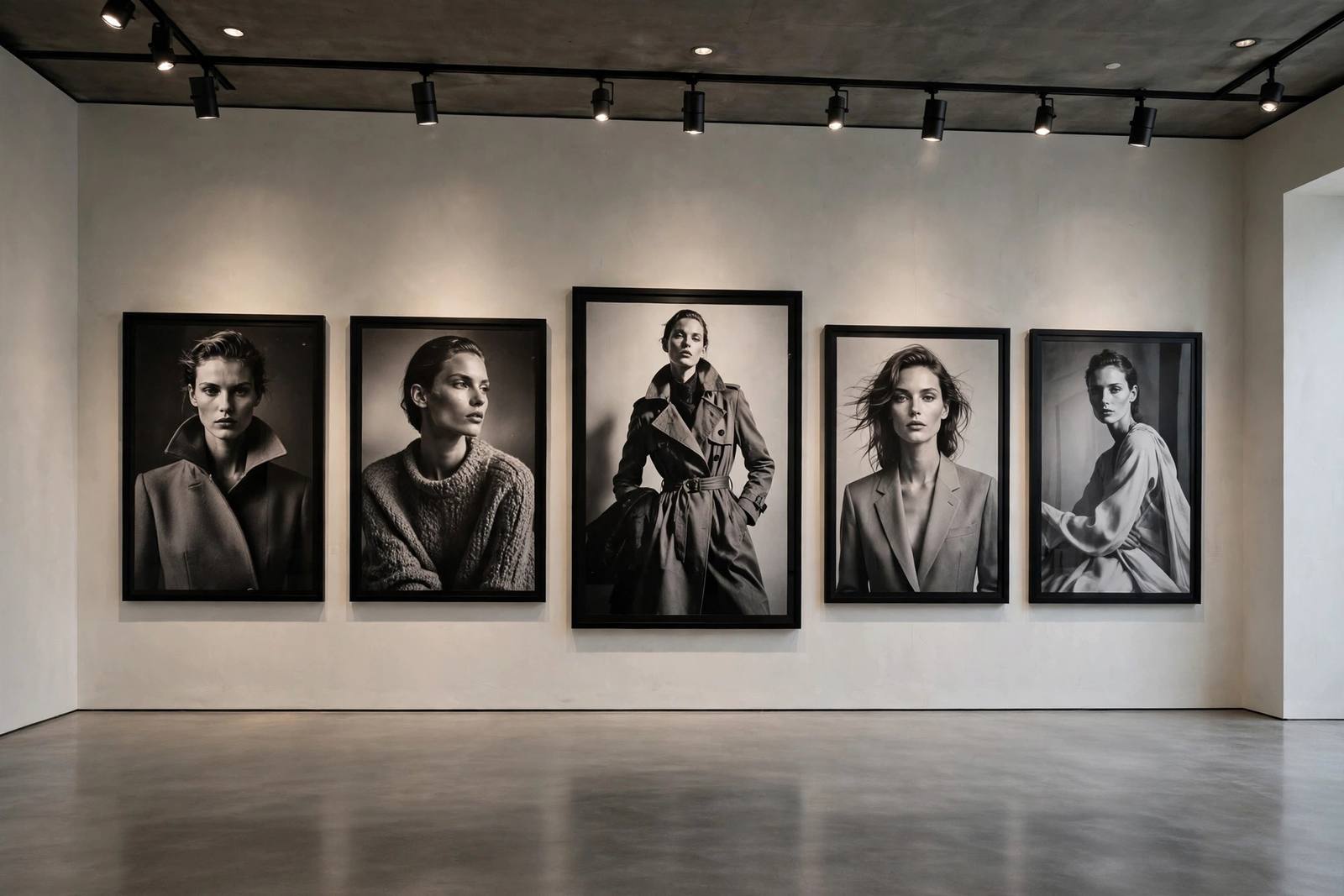
The invoice has three lines, and only the first one is for the day. There is the fee for the shoot, the fee for what the pictures are allowed to do afterward, and the expenses, which everyone pretends are simple and nobody finds simple. This is the whole economy of editorial photography, and most of the arguments about it come from people who think the first line is the job. It is not. The first line is the smallest part of the work and, increasingly, the smallest part of the money.
Start with the misnomer. "Day rate" implies that the client is buying a day, and that the photographer works for a day. The reality is that a shoot day sits inside a project the way a photograph sits inside a contact sheet. There is pre-production: the treatment, the casting, the location work, the calls. There is the shoot. There is post-production: the edit, the retouch notes, the delivery, the drive in the mail. A working photographer can easily spend fifteen working days on a three-day shoot, and only the middle three get the name everyone knows. Some photographers now call the first line a creative fee instead, which is more honest: it covers the making, not the day. The making is most of the work, and it is the part the client never sees itemized.

Then there is the second line, and the second line is the business. Usage is the license that says what the client may do with the images: which media, which territories, for how long. A photograph used once in a regional print edition is a different product from the same photograph on a global billboard for three years, and the fee reflects that. The principle is old and simple. The client should not pay the same for a small use and a large one, and the photographer should not sell the large one at the small one's price. In commercial photography, usage fees routinely exceed the shoot fee. The day rate gets the photographer to the set. The license is what the pictures are worth.
This is where editorial photography gets strange. The editorial day rate, the fee a magazine pays for a fashion story, has historically sat well below the market value of the images. Magazines pay it because they can, and photographers accept it because the magazine gives them something money cannot buy directly: the tear sheet, the credit line, the proof that a serious editor trusted them with ten pages. For many photographers, the editorial is a loss leader, the same way the free listing is a loss leader for the magazine's advertiser. The currency is reputation, and reputation converts later, into the commercial jobs where the usage line does the real work.
What has changed is the afterlife. A photograph used to have a short biography: shot, printed, published, filed. Now the biography is long. The same image gets reprinted in a retrospective, licensed to a stock house, pulled for a museum show, posted and reposted until the credit line falls off. Each of these is a separate transaction, or should be. The reprint pays again. The retrospective pays again. The archive, licensed properly, pays for decades. The photographer's most valuable asset is often the filing cabinet nobody photographed: the negatives, the transparencies, the hard drives, and above all the paperwork that says who may use what.
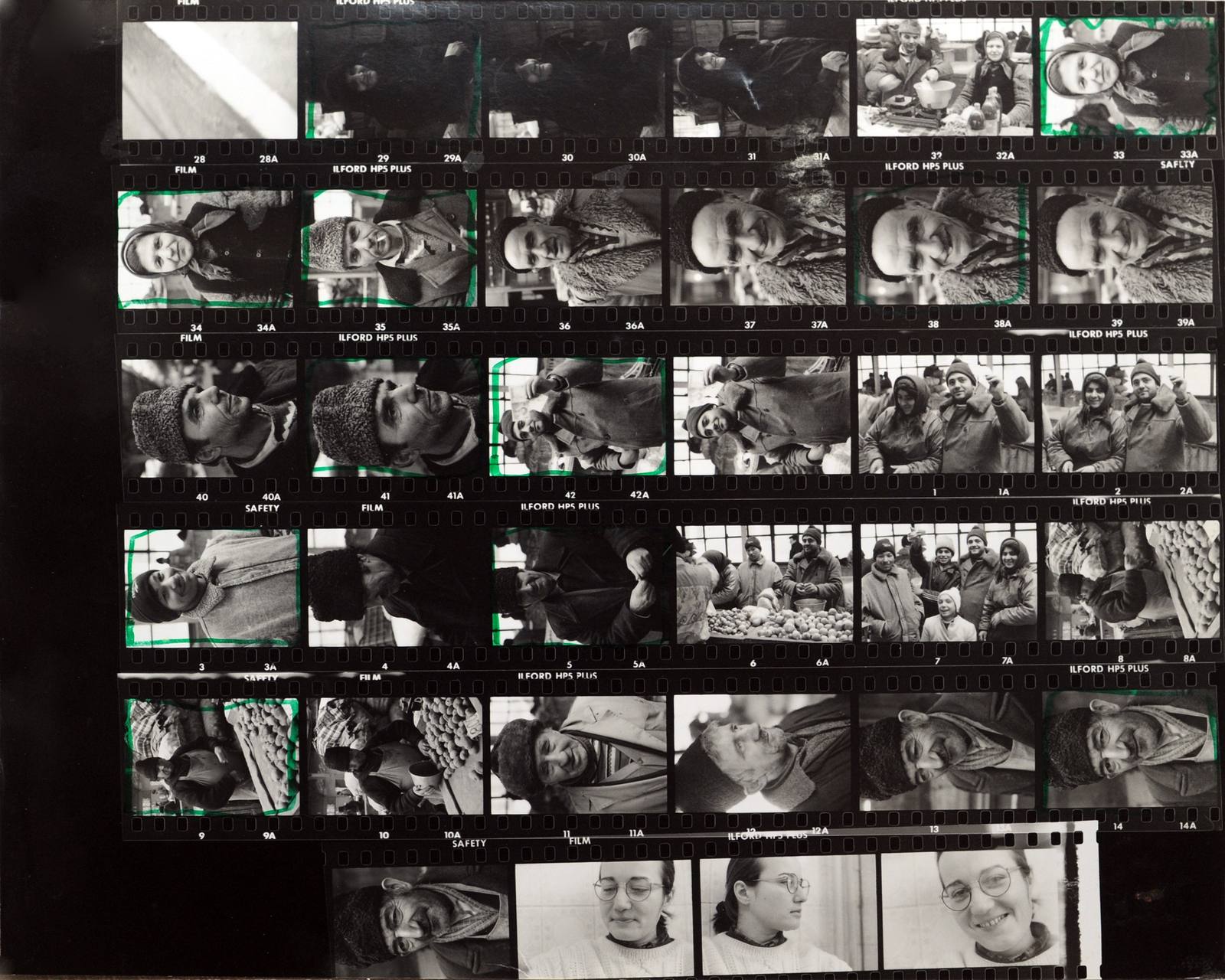
The paperwork is the part everyone skips until it costs them. Copyright stays with the photographer unless a contract says otherwise, and contracts increasingly try to say otherwise. The buyout, where the client pays once and owns the images outright, looks clean on paper and is usually a bad deal for the photographer, because it sells the afterlife at the price of the day. The licensed deal is messier and richer: fee for the making, fee for the use, and the use defined narrowly enough that the next use is a new negotiation. Photographers who survive long careers tend to be the ones who learned this early. The ones who did not learn it have wonderful portfolios and thin retirements.
The agent's real job lives in this second line. The photographer makes the pictures; the agent, or the photographer's own hard-won experience, negotiates what each use is worth, and usage is where negotiation actually happens. Trade groups publish calculators that estimate what a license should cost at a given scale of campaign, and no client ever pays exactly what the calculator suggests. The number is a starting position, not a price list. What matters is the principle it encodes: the license scales with the use, and the photographer who gives away the large use at the small use's price has made a donation, not a deal.
Then there is the newest afterlife, the one nobody's contract anticipated. The image goes up on a brand's feed, gets screenshotted, reposted, stripped of its credit line, and lives a second public life the photographer never licensed and cannot easily bill. Every repost without a license is the afterlife leaking. Some photographers treat this as exposure and move on. The ones who treat the archive as an asset treat it as unpaid use, and they are right in structure even when they cannot collect in practice. The filing cabinet now includes the screenshots.
None of this is salary voyeurism, and the numbers matter less than the structure. What matters is that the money arrives in three envelopes, at three different times, for three different things, and the photographer who only bills for the first envelope is donating the other two. The industry's trade groups publish calculators for usage pricing, agents negotiate the licenses, and the whole apparatus exists because a photograph is not a day's labor. It is an asset with a working life, and the working life is longer than the career.
Look at it from the studio's side and the economics get clearer. The assistant who spends the shoot day coiling cable is learning a trade whose real lesson is not lighting but licensing: who owns the pictures, who may print them, who gets paid when they appear again in ten years. The photographer who treats the archive as an afterthought is treating their pension as an afterthought. The most boring object in the studio, the filing cabinet with the releases and the license copies, is the one that pays for the studio.
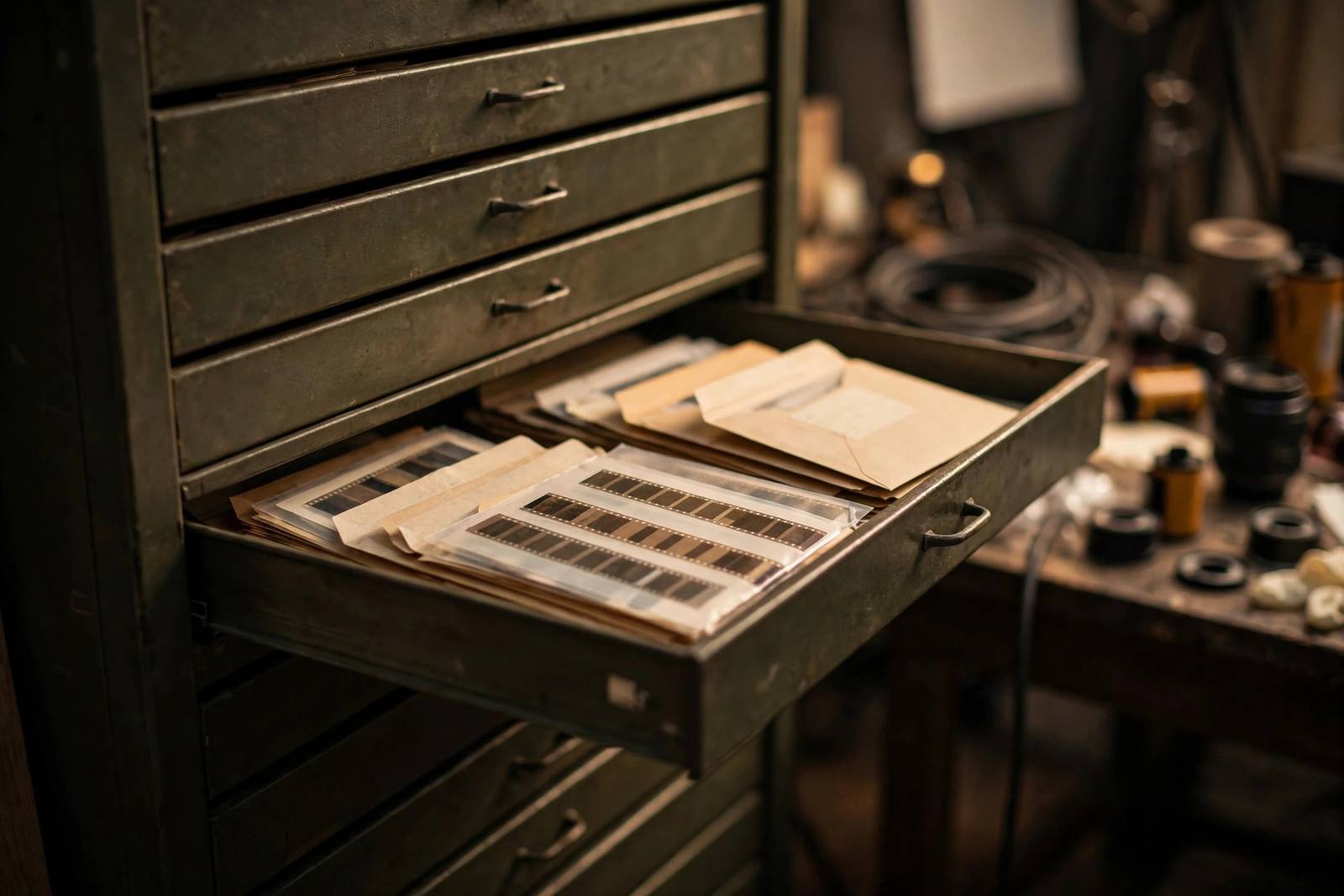
The day rate is the price of admission. The afterlife is the business. Editorial photography has always run on this split: the magazine buys the day cheap and the photographer banks the reputation, and the reputation is spent later on the licenses that actually pay. The photographers who understand this do not resent the low editorial fee. They treat it as what it is, the cost of making the work that makes the archive, and they guard the archive like the asset it is. The image outlives the shoot. The money should outlive the image. Everything else, the assistants, the studios, the retouchers, the whole working apparatus of the industry, runs on photographers who learned to bill for all three envelopes.