Features
The First Fashion Film
Nick Knight's SHOWstudio turned the camera around and made the process the picture.
On October 6, 2009, in Paris, Alexander McQueen showed his Spring/Summer 2010 collection, Plato's Atlantis. The runway ran through an aquarium-lit dark. The models wore reptile prints and armadillo boots. And a few thousand miles of cable carried it live to anyone with a browser, because Nick Knight's SHOWstudio had put the show on the internet. Lady Gaga tweeted that her new single, "Bad Romance," would premiere on the runway. The traffic surge crashed the stream. Knight later said six million people tried to watch at once. Fashion had never been seen by that many people at the same time, and the industry never quite recovered.
The broadcast is often described as the first live-streamed fashion show in history, and it is worth being precise about what that claim means. It is not undisputed: Victoria's Secret had made low-quality webcasts in 1999 and 2000, and other houses were experimenting that same Paris season. What Knight did was different in kind. He did not stream a show as a tech stunt. He treated the broadcast as an editorial act. The livestream had a point of view, a director, a frame. It invented the runway broadcast as we know it: not a security camera pointed at a catwalk, but a fashion image that happens to move.
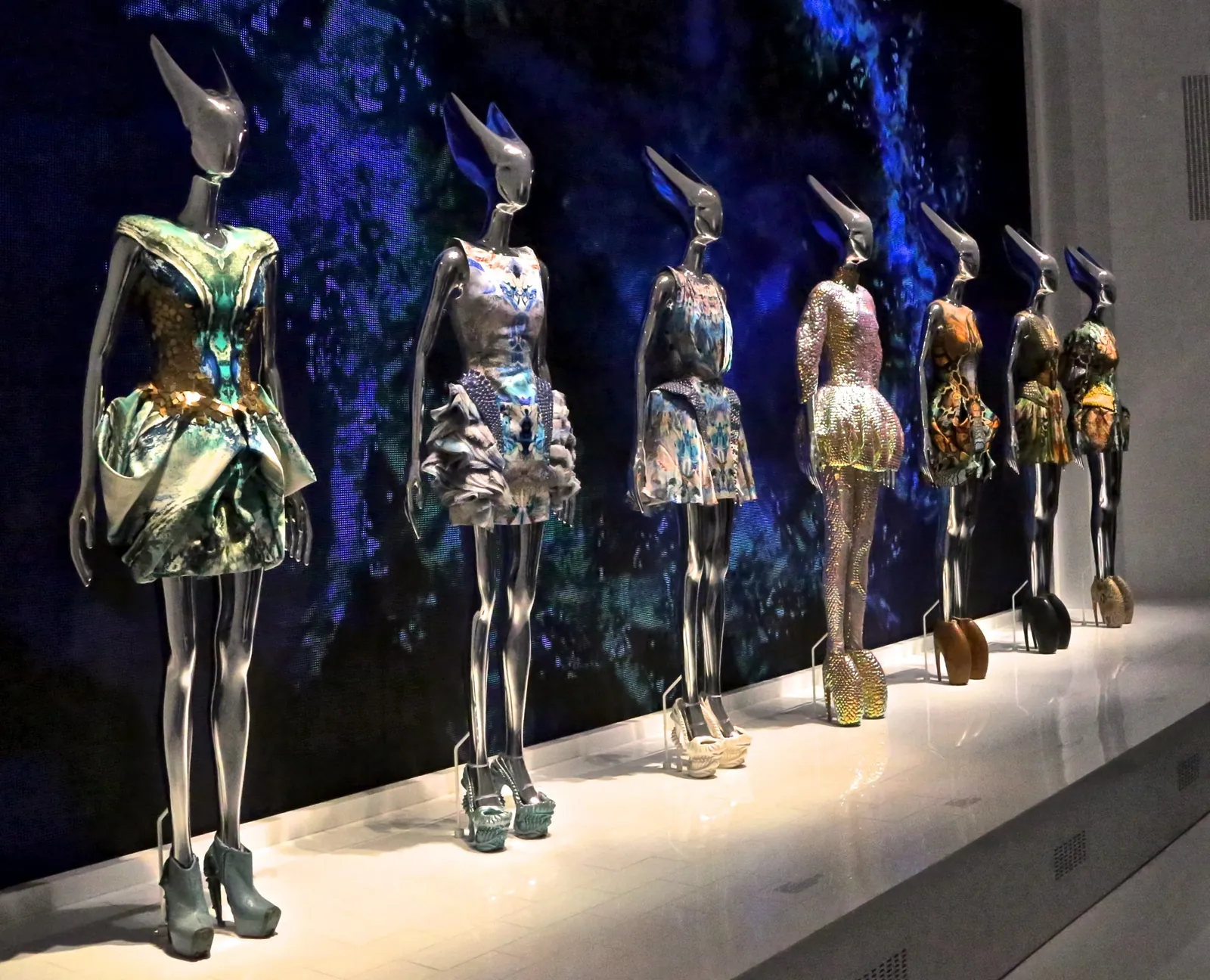
This is the part of the story people get backwards. The fashion film is usually filed under technology, as if it descended from advertising and the internet. Knight's version came from somewhere else entirely: from the editorial process itself.
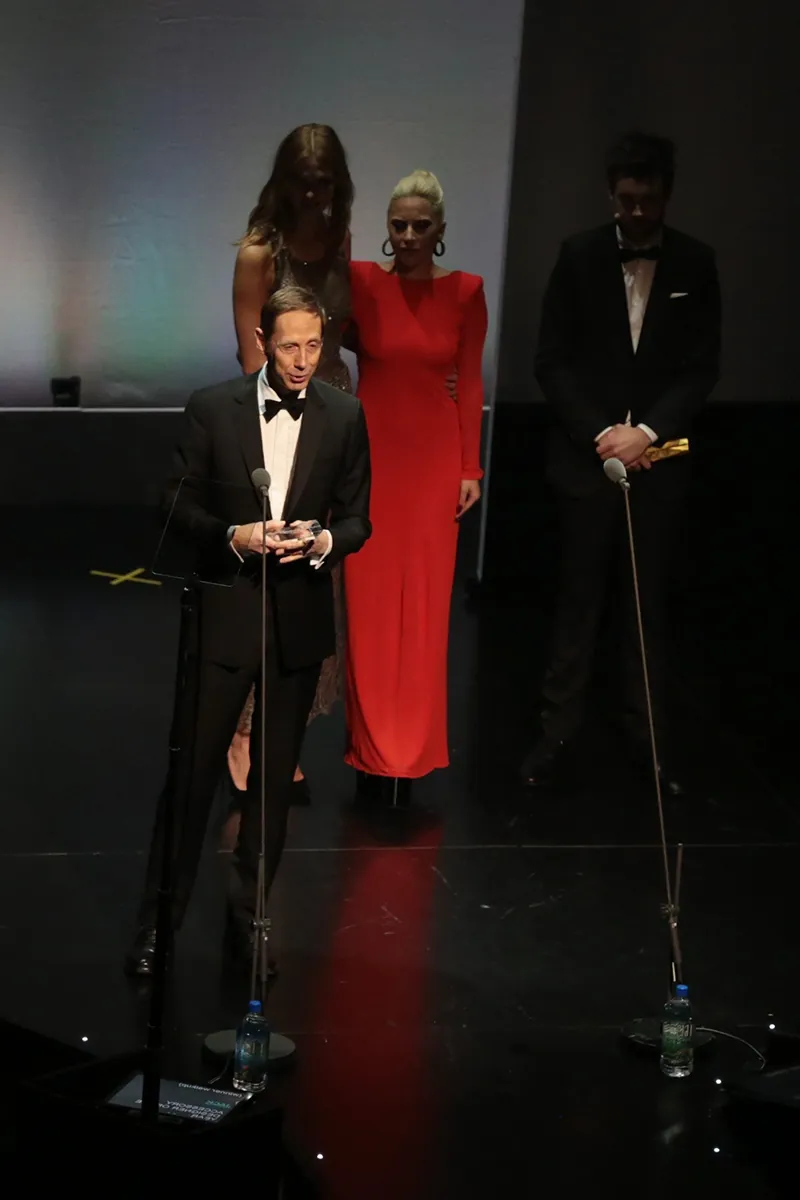
SHOWstudio, which he founded in 2000, was built on the conviction that showing how the work gets made benefits the artist, the audience, and the art. Long before the McQueen broadcast, the platform was livestreaming shoots. Sleep, in 2001, put nine models to bed under a webcam and called the dreaming a performance. The shoot was no longer the hidden labor behind the picture. The shoot was the picture, and the audience was invited to watch it being made.
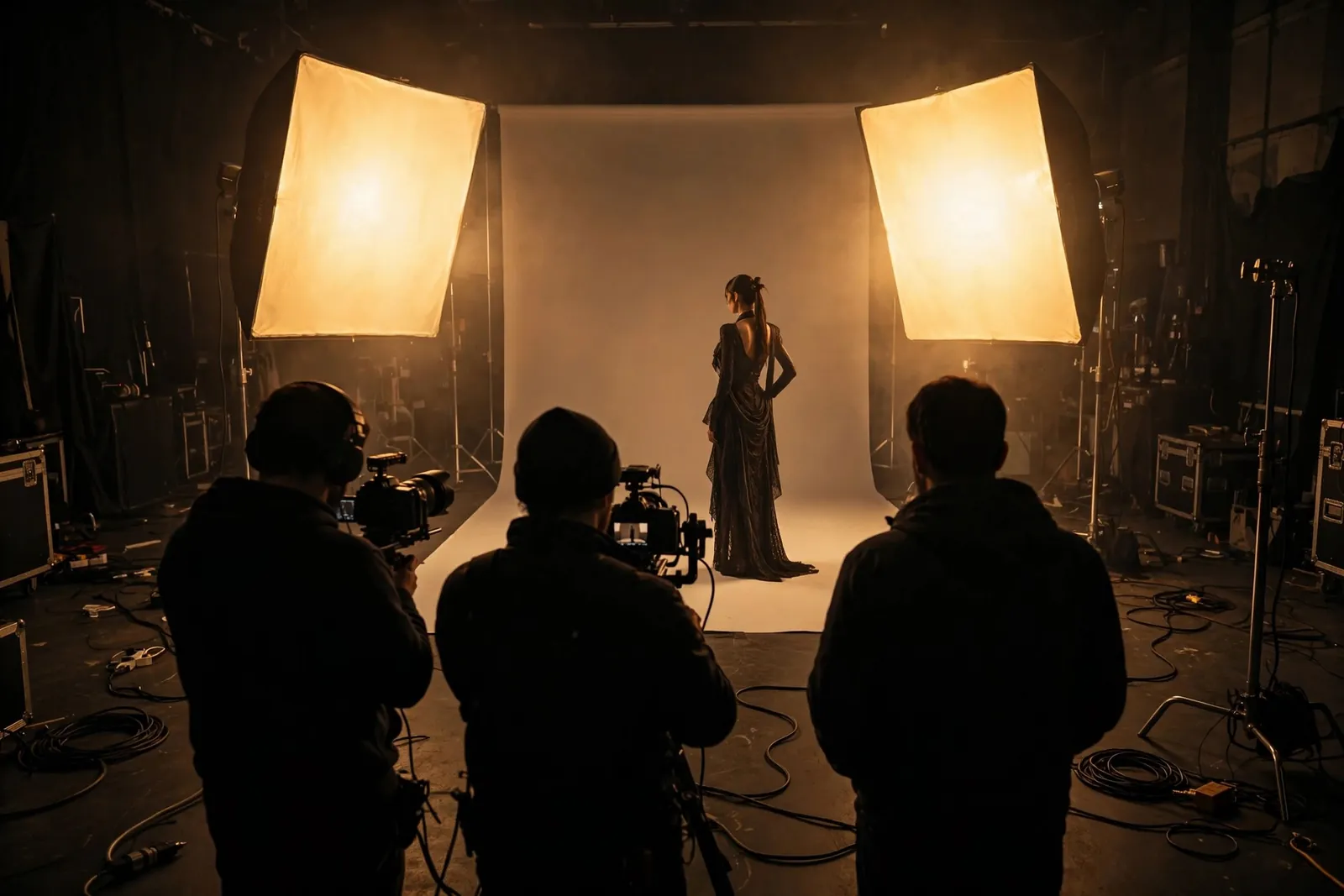
That inversion is the whole argument. A fashion editorial has always had a backstage: the hair, the fittings, the waiting, the ninety frames that die for every one that prints. The traditional magazine showed you the survivor and hid the labor. Knight showed you the labor and trusted that it would be interesting. He was right. The backstage turned out to be the most honest fashion content there is, because nobody is performing for the retoucher when the camera is live. You can fake a photograph. You cannot fake three hours of work.
SHOWstudio's early experiments read now like a map of everything that followed. Sweet, from 1999, made some of the first fashion avatars and staged a digital catwalk, which sounds like a gimmick until you notice that the entire industry now lives inside game engines and virtual try-ons. Around 2002, Knight and McQueen had already tested the form with a livestreamed shoot called Transformer, in which McQueen turned a male model in a white suit, a bridegroom, into a bride, live, on camera. The platform commissioned films from photographers who had never directed, treated process documentation as a genre with its own aesthetics, and built an archive where the outtakes sit beside the finals with equal dignity. Projects like Design Download gave away designer garment patterns for free each year, from Yohji Yamamoto and Martin Margiela to Mugler and Simone Rocha, treating the fashion process itself as something the audience should be allowed inside. The fashion film, in Knight's hands, did not evolve from the commercial. It evolved from the contact sheet.
Nick Knight said: "Three hundred journalists and buyers who are a bit pissed off to be there."
Knight's own explanation for the McQueen broadcast was disarmingly blunt. The audience for a fashion show, he said, had been three hundred journalists and buyers, and they were not always glad to be there. The livestream was a way to give the show to the public that actually wanted it. Six million people tried to watch at once. The industry's gatekeeping, which had been the whole business model of the runway show, was revealed in one evening as a distribution problem with a technical fix. Within a few seasons, streaming a show was not avant-garde. It was the calendar.
None of this was inevitable. Knight and McQueen had been collaborating since 1996, and the broadcast was the culmination of more than a decade of experiments in how a fashion image reaches its audience. SHOWstudio's own account of its history puts it plainly: the invention of fashion film as a medium, the first live-streamed catwalk, the first live fashion shoot. The claims are large because the record supports them. The fashion world at the end of the 1990s was, in Knight's telling, barely engaging with the internet at all. The magazines were the medium and the medium was the message, and the idea that a show could belong to everyone felt like a category error. What changed minds was not an argument but a number: six million, a figure that made every marketing department in Paris recalculate what a runway was for. The show stopped being a private trade event with public relations attached. It became a broadcast with a trade event attached. That reversal is Knight's legacy, and it is bigger than any single film.
It is also worth saying what the fashion film is not, because the distinction still matters. The advertising industry makes moving images to sell things, and it is good at it. The editorial fashion film does something else. It documents, it experiments, it lets the process show. When Knight puts a camera in the studio and leaves it running, he is making the same decision Brodovitch made on the page: the frame is the art form, and the interesting frame is the one that admits it is being made. The backstage is not the poor relation of the editorial. It is the editorial, with the lights on.
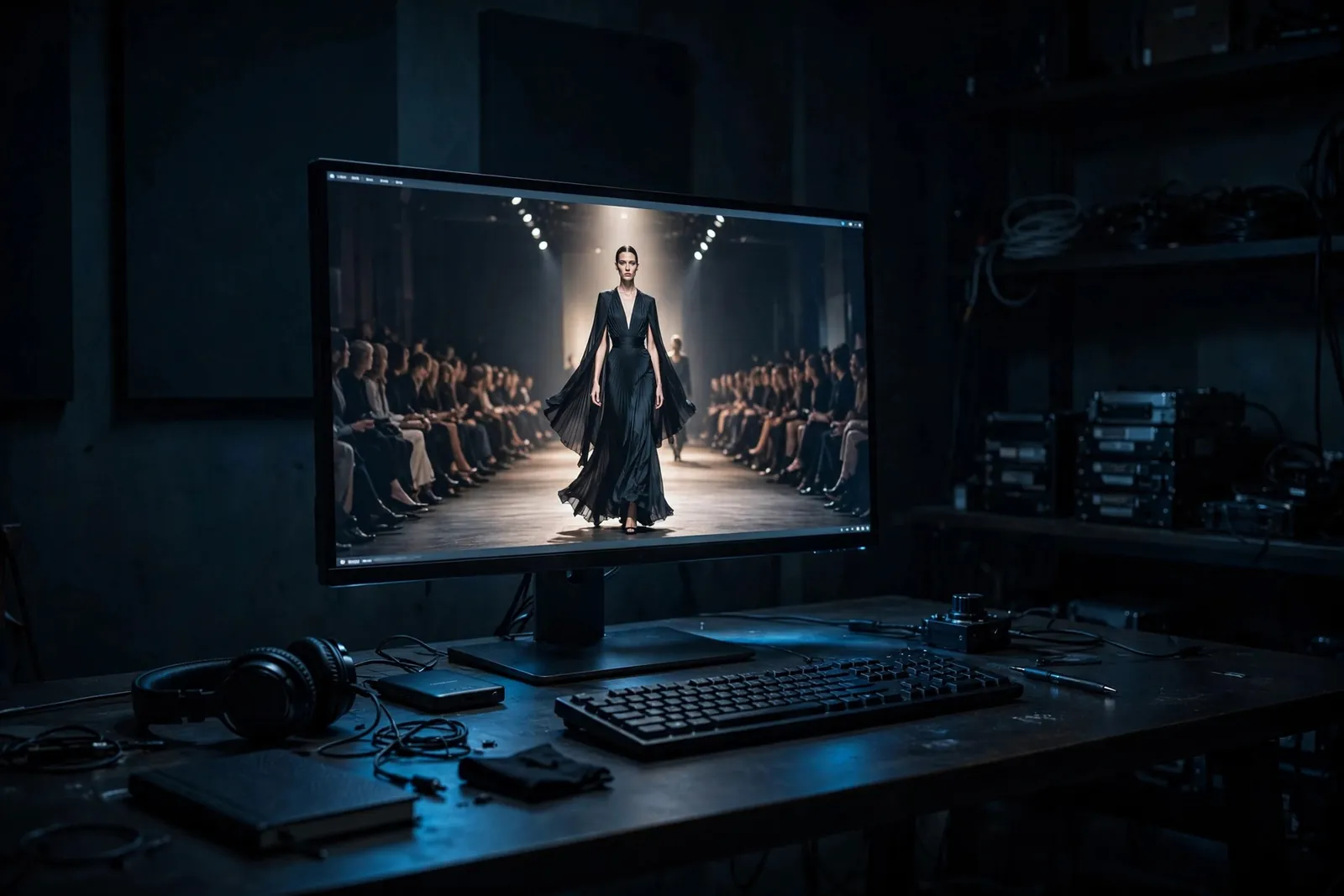
There is a footnote the industry prefers to skip, and Knight's own history supplies it. The claim that Plato's Atlantis was the first live-streamed fashion show is the version the press releases tell. The fuller version includes the Victoria's Secret webcasts of 1999 and 2000, and the fact that Burberry approached Knight that same season wanting a similar broadcast. Knight's broadcast was not the first time a camera pointed at a runway and reached the internet. It was the first time it was done as fashion, with a director's eye, at the scale of the culture. The distinction is the whole argument of this piece: the technology was available to anyone. The editorial intent was Knight's, and it is what everyone copied.
The stream crashed that night in Paris. Gaga's tweet did what no marketing plan could. And then it came back, and the show went on, and fashion learned in real time that its audience had been waiting outside the door the whole time. Knight opened the door. The industry is still deciding what to do with everyone who walked in.