There is a moment on every high-end fashion set when the assistant stops thinking about the camera. The body is already rigged, the lens is the house choice, and the shooting rhythm belongs to the photographer and the model, not the equipment. The GFX100 II earned its place by making that moment arrive faster than any medium format camera before it.
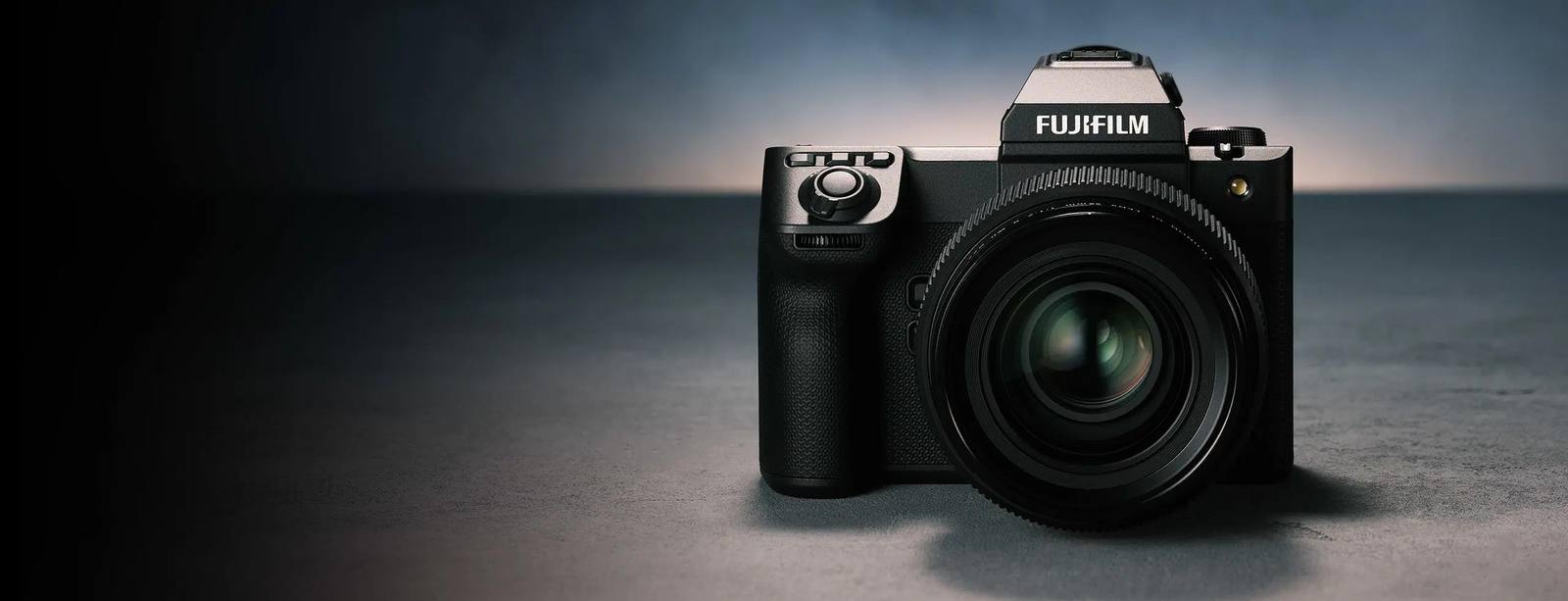
The instrument is a 102MP medium format body with the handling of a full-frame camera. That sentence took decades to become true. Medium format was the format of deliberation: the tripod, the long pause, the assistant counting out exposures. The GFX100 II keeps the file and drops the ceremony. On a working set, that is not a convenience. It changes who gets to shoot medium format and when.
Who it serves: the photographer delivering to an art director who will crop hard, reframe vertical from horizontal, and pull a detail shot from a full length. 102 megapixels are not about sharpness. They are about permission. The edit can roam inside the frame without the print falling apart. The file holds fabric weave, the edge of a stitch, the gradation of a seamless paper sweep rendered as tone rather than noise.
The other half of the instrument is speed. Full-frame-like responsiveness means the camera keeps up with a model who moves, a stylist who keeps adjusting, a day that has thirty setups. The camera stops being a statement and becomes a habit. That is the highest praise a working tool can earn.

Where it sits in the process: at the top of the capture chain, the default digital capture tool on high-end fashion sets. It feeds the tethered monitor, the client's screen, the retoucher's evening. Everything downstream assumes the file is bigger than it needs to be, which is exactly the assumption that lets everyone downstream relax.
There is a dry honesty to it. The camera does not flatter; it records. Skin at 102MP is a negotiation between the makeup artist and the retoucher, conducted in public on the capture monitor. Photographers who came up on film sometimes miss the forgiving grain. Photographers who came up on 50MP backs recognize the file as the industry standard finally available in a body their assistants can carry all day.
The file also changes the conversation about medium format itself. For years the format was the prestige option, rented for the hero shots and returned to the case. A body that shoots at this pace makes medium format the everyday choice, and everyday choices are the ones that shape a photographer's actual style. The instrument stops being an occasion and becomes a practice.

Instruments are judged by what disappears. The GFX100 II disappears into the working day. Pricing moves with configuration; confirm it at the linked page. What does not move is the file: medium format, at the pace of fashion.