Some cameras are chosen by photographers. The X2D 100C was chosen by editors. It is the portrait and editorial fashion camera of record, and that distinction matters: the camera of record is the one whose files survive the journey from set to page without anyone questioning them.
The instrument is built around a 100MP medium format sensor with 15 stops of dynamic range and 16-bit color. Numbers aside, what that means on a portrait sitting is headroom. The file tolerates the exposure the moment demanded and the grade the story needs. Skin renders as continuous tone, not as a negotiation.
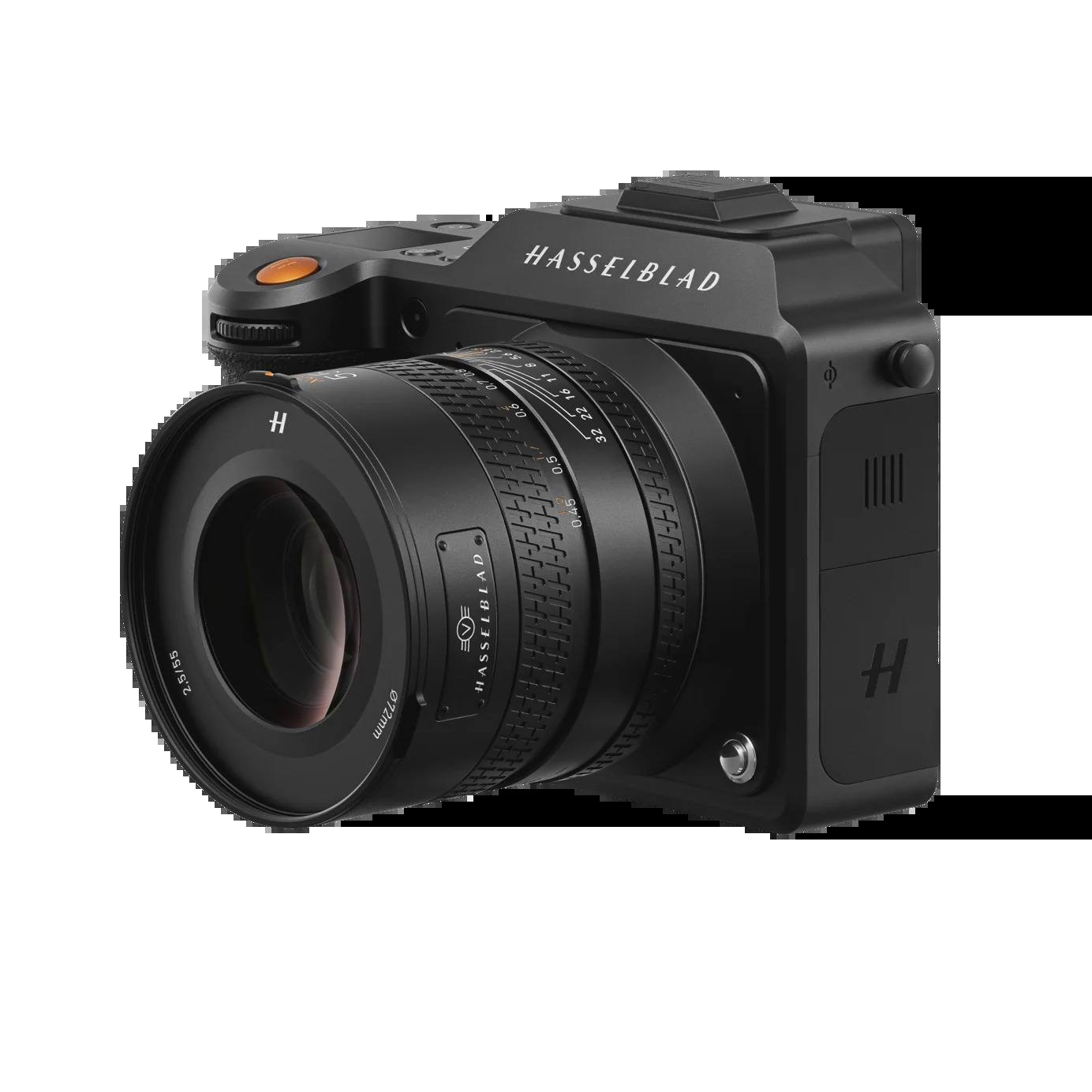
Who it serves: the editorial portraitist, the photographer whose deliverable is a face that must carry a page, a cover line, a campaign. Hasselblad's leaf-shutter XCD lenses matter here in a way no specification fully explains. A leaf shutter lets the flash and the daylight balance at speeds that tame ambient motion on location. The portrait that looks like a studio can be made on a street, at noon, in one setup.
There is a discipline in the camera's design that the working photographer feels immediately. Fewer buttons, a quieter interface, a body that asks the photographer to look at the sitter instead of the menu. This is not minimalism as marketing. It is the recognition that a portrait camera's job is to remove friction between the eye and the frame.

Where it sits in the process: at the sitting itself, the primary capture for editorial portraiture. It is the camera the photographer reaches for when the subject is the story and the file must be beyond question. The 16-bit color pipeline means the retoucher starts with more than they need, which is the professional definition of enough.
The honest criticism: 100MP is unforgiving. Hair, makeup, and styling have nowhere to hide, and the photographer must direct with the monitor in mind. But that is also the instrument's argument. It treats the portrait as a record made at the highest available fidelity, and trusts the team to be ready for it.
The camera also carries the weight of its own history, which on a fashion set is a practical asset. When a sitter sees the Hasselblad, something in the room shifts. The sitting feels consequential. Photographers can debate whether that psychology is earned by the optics or the badge, but the effect on the sitter's posture is real, and posture is half of portraiture.
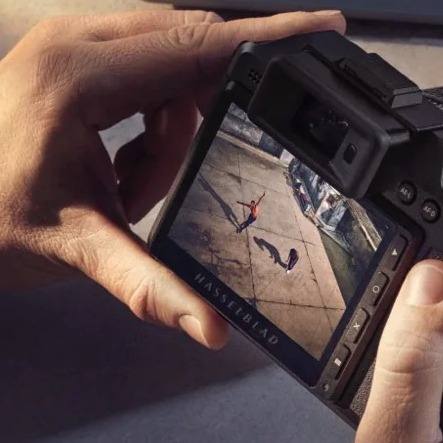
Pricing moves with configuration and lens choice; confirm it at the linked page. What the X2D 100C does not move on is its position: the camera the editorial portrait world trusts with faces.