Color flatters. Black and white accuses, and Ilford HP5 Plus is the stock that taught editorial photography how to make the accusation beautifully. The classic ISO 400 black and white film is the choice for gritty editorial monochrome and the darkroom printer's staple, a film whose grain is not a flaw to manage but a structure to build on.
The grain is the argument. HP5's grain is present, honest, and structural: it gives the image a physical texture that reads as truth in a way smooth digital monochrome rarely manages. In fashion editorial, where the image is selling fantasy, a little grit is a credibility device. The photograph admits it is a photograph, and the viewer trusts it more.
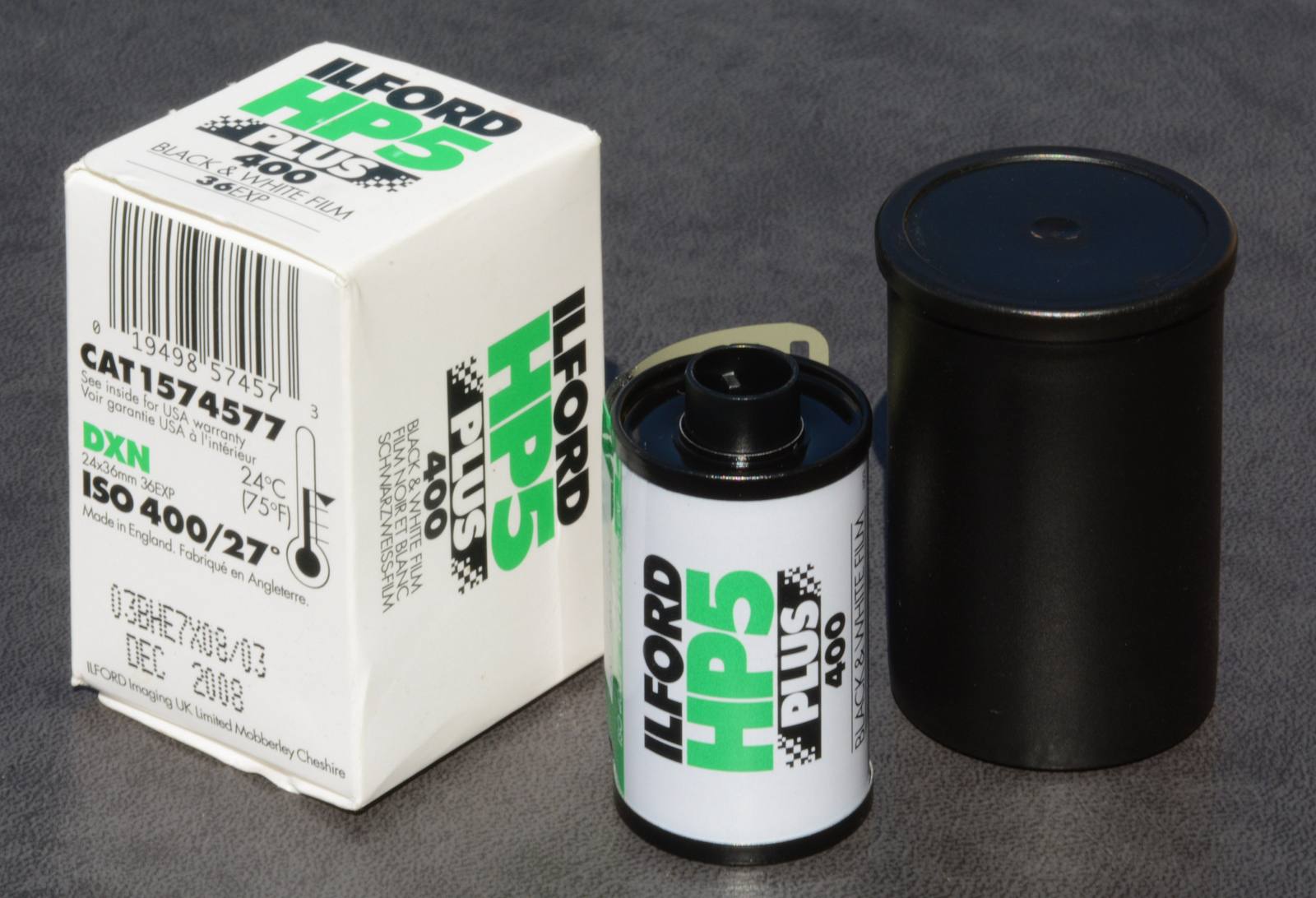
ISO 400 is the working speed, fast enough for available light, for the street, for the backstage corridor where the flash would kill the moment. HP5 survives being pushed, which is the film photographer's way of saying it keeps its character when the light runs out. The printer's staple reputation comes from the negative: dense, printable, forgiving in the darkroom in the way Portra is forgiving in the scanner.
Who it serves: the editorial photographer working in monochrome by conviction, the darkroom printer who needs a negative that behaves, the fashion shooter whose personal work lives in black and white. HP5 is the stock of the contact sheet that looks finished before it is printed.
The stock also teaches, which is why assistants are told to shoot it. HP5's exposure latitude and printable negatives forgive the beginner's mistakes while rewarding the printer's skill, so the same roll serves the student and the master. Few instruments in photography work this well at both ends of experience. The film does not care how long you have been shooting. It only cares that you look.

Where it sits in the process: in the film body on documentary days, the backstage rolls, the portraits between setups. It is the film of the photographer's own seeing, the frames that never had a client and therefore never had to compromise.
The dry observation: every generation rediscovers HP5 and believes it invented gritty black and white. The film was there first, and it will be there after. Some instruments are not improved upon. They are simply kept in production, which in the film business is the highest compliment available.
Confirm pricing at the linked page; film costs what film costs. HP5 Plus remains what it has always been: the honest grain of editorial photography.