Ask an editorial portraitist why they shoot Leica and the answer is rarely about resolution. It is about the file. The SL3's 60MP Triple Resolution sensor and the Leica color signature are prized because the image arrives looking like a decision the photographer already made, not raw material awaiting one.
The color argument is the serious one. On a campaign or a magazine feature, the look is established early, often on set, with the art director standing at the monitor. A camera whose files begin close to finished shortens that conversation. It is not that the SL3 cannot be graded. It is that it asks to be graded less.
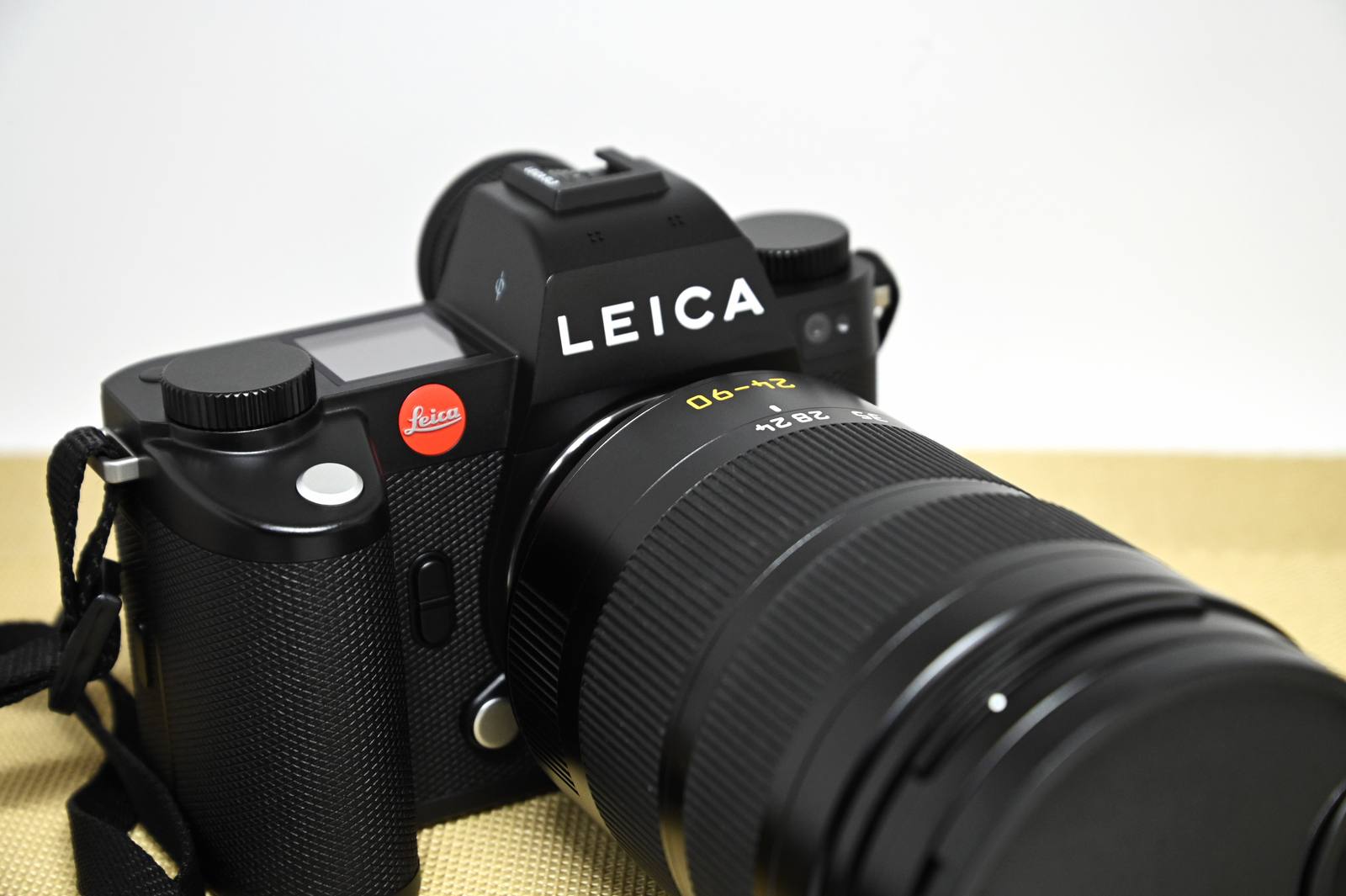
Triple Resolution is the quiet practicality inside the instrument: the photographer chooses the file size the job needs without changing cameras. A campaign that needs the full 60MP gets it; an editorial story that will run at modest sizes gets a lighter file with the same character. On a working set, where cards fill and backups multiply, that choice is a form of discipline.
Who it serves: portraitists working the space between editorial and campaign, where the image must carry both a story and a brand. The SL3 sits naturally in the photographer's hands during a long sitting. It is a camera that behaves like an extension of looking, not like a computer that happens to take pictures.
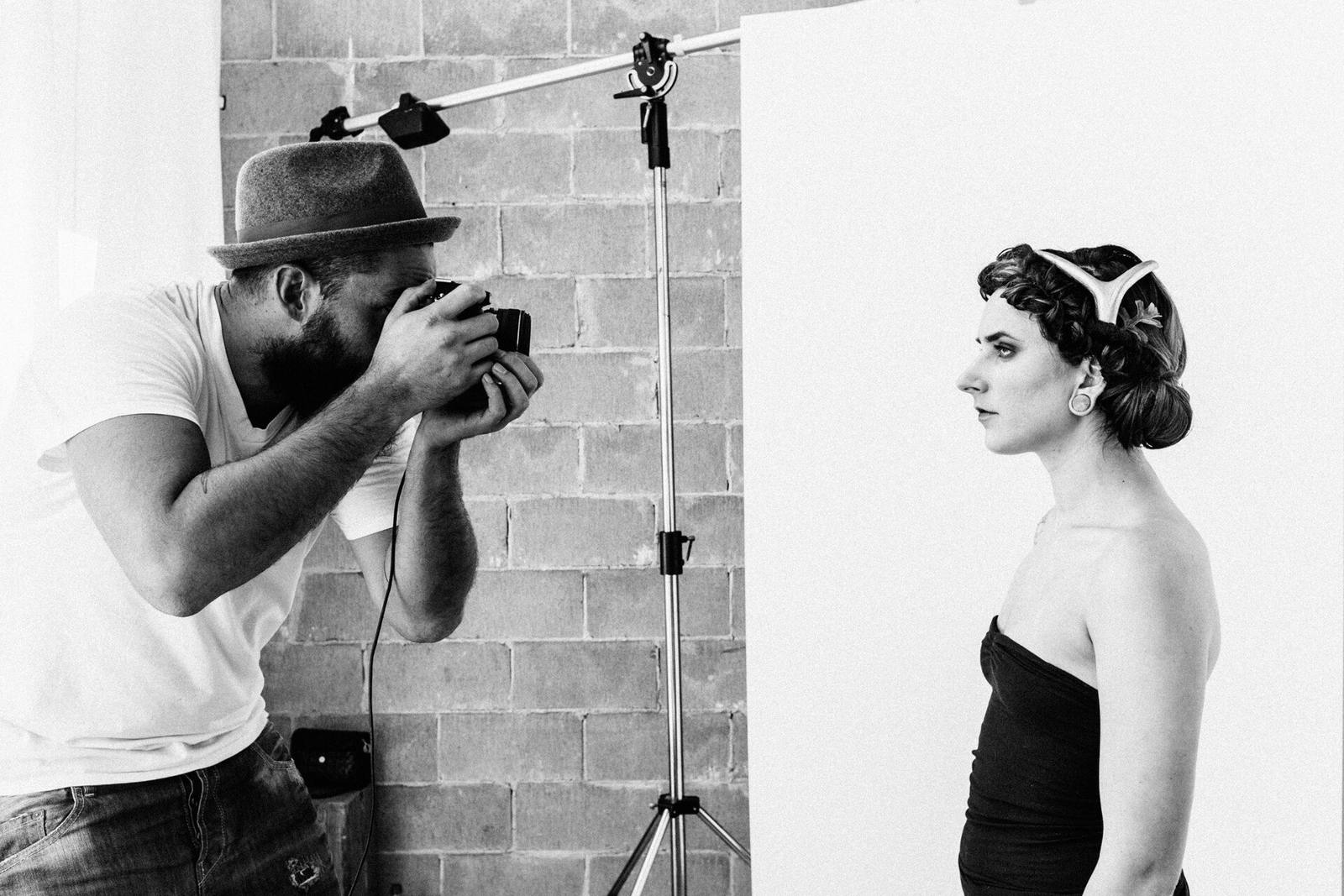
Where it sits in the process: as the primary stills camera on editorial portrait days and campaign sittings, feeding the tethered workflow and the client's review. The Leica color signature means the first frame on the monitor already speaks the language of the final page.
The dry note: no camera's color is neutral, and the SL3 does not pretend to be. It has a point of view about how skin, fabric, and daylight should render, and photographers choose it because they share that point of view. Instruments with opinions are rarer than instruments with specifications, and usually more useful.
There is also the matter of how the camera behaves between sittings. The SL3 is the body photographers reach for on personal days, the street, the travel frame, which means the instrument never goes cold in their hands. A camera that lives at the photographer's side all week performs better on the paid day. Familiarity is a specification no sheet lists.

Pricing is set at the linked page; confirm it there. The SL3's case is simpler than its spec sheet: it is the camera for photographers who want the file to arrive already thinking like them.