Put two black and white prints on the wall in 1975 and come back in fifty years. One has yellowed at the edges, its shadows gone muddy, the highlights stained the color of old tea. The other looks like it was printed last month. Same photographer, same decade, same subject matter. The difference is not talent and not storage. It is chemistry, decided in the darkroom before the collector was born. The print you hang is a chemical decision made decades before you bought it, and most buyers never ask what the decision was.
Start with the print most photographs are: gelatin silver. The image is metallic silver held in a gelatin emulsion that coats the paper, and its lifespan is a negotiation with everything around it. To last, a silver print must be thoroughly fixed and washed: the fixer converts unexposed silver salts into compounds that wash away, and any significant residue of thiosulfate left in the sheet will attack the image over time. After that, the enemies are environmental. Temperature, relative humidity, and airborne pollutants are the three factors conservators name first, and silver is vulnerable to all of them. A poorly processed silver print in a damp room with city air coming through the window is on a short clock. A well processed one, kept cool and dry, can run for generations. The range between those outcomes is the whole story of silver: it is not a permanent medium or an impermanent one. It is a conditional one.
Photographers have always known this, and the good ones acted on it. Toning, the chemical conversion of the silver image after processing, replaces or coats the metallic silver with more inert substances: gold, selenium, silver sulfide. A selenium-toned silver print is a different object, chemically, from an untoned one, and it ages on a kinder curve. Irving Penn toned his gelatin silver prints with selenium as a matter of course, and he used bleaching agents to reshape images that standard processing could not deliver. He understood what every master printer understands: the print is not finished when the exposure ends. The chemistry after the exposure is part of the authorship.
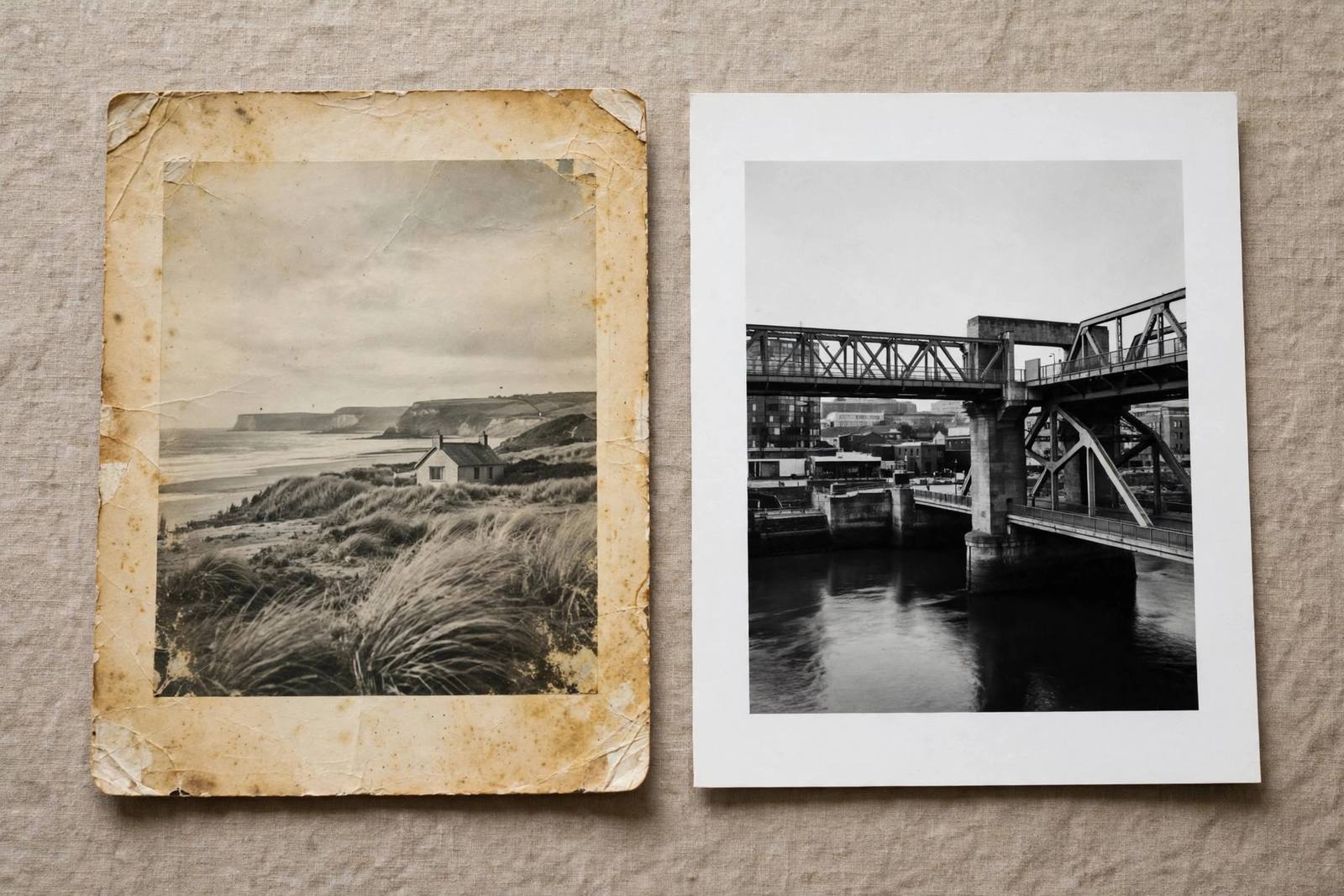
Now the other clock. A platinum print carries its image as platinum and palladium metal absorbed into the paper fibers, with no gelatin emulsion at all. The platinum group metals are chemically inert in a way silver is not: they shrug off the reactions that degrade silver, and estimates of a platinum image's lifespan run into the thousands of years. The old manuals said it plainly. "Owing to the chemically inert nature of platinum, a print so made is far more permanent than any print having a silver image can be," wrote the Amateur Photographer's Dictionary of Photography, and a century of conservation science has not embarrassed the sentence. The Victoria and Albert Museum's Conservation Journal notes that the deterioration seen in historic platinum prints is usually in the paper support, yellowed and brittle, rather than in the image itself. The picture outlives its own paper.
That is the claim, and the honest version of it has a footnote the market sometimes skips. The metal is permanent; the paper is mortal. Platinum black, the form the metal takes in the image, can catalyze the oxidation of airborne sulfur dioxide into sulfur trioxide, which forms sulfuric acid in the paper and embrittles it: the image survives while its support slowly fails around it, a conservatorial problem documented by researchers including Mike Ware. This is not an argument against platinum. It is an argument against mystique. No process outlives physics. Platinum outlives silver by a margin so wide that the comparison is barely a contest, and that is enough.
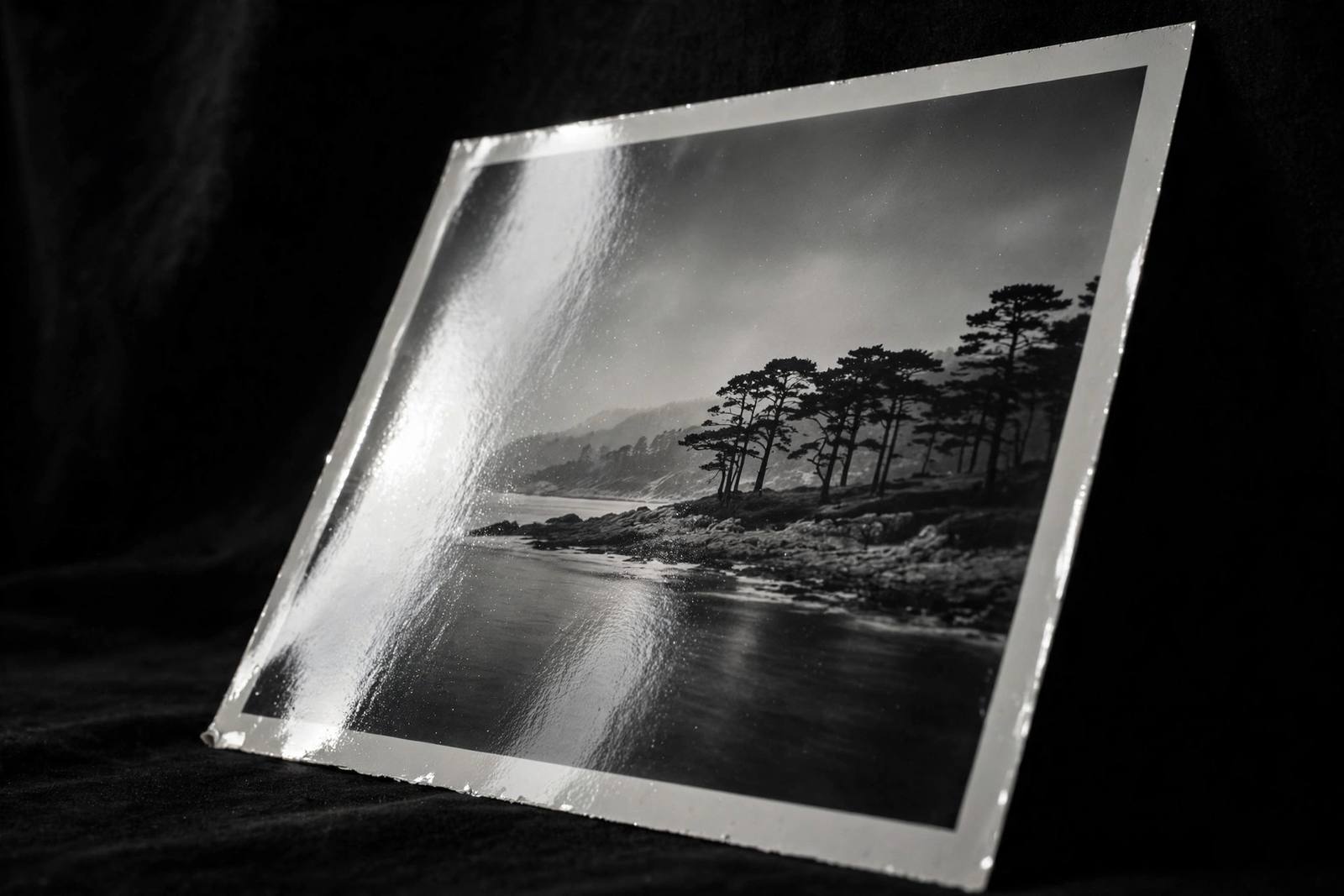
So what should a collector actually do with this knowledge? Read the material, not the reputation. A platinum print announces itself: absolutely matte, no emulsion sheen, the image sitting in the fibers rather than on a skin, tones running from neutral black to warm brown depending on the platinum to palladium ratio. A gelatin silver print carries its emulsion like a varnish; hold it at an angle and the surface tells you. Ask what you are buying. Was the silver print toned, and with what? Selenium and gold are the names that matter. How was it processed and stored? A print's provenance is not only who owned it; it is how it was washed. The auction catalogues that note "platinum print" versus "gelatin silver print" are not making an aesthetic ranking. They are stating a chemical fact, and the market prices it: platinum prints routinely bring many times what a comparable silver print fetches, because the buyers who know the chemistry are bidding on centuries.
There is a fashion photography angle here that goes beyond the saleroom. The medium's history is a history of prints made for the month: magazine pages, proofs, work prints, the vast paper trail of an industry that treated the image as disposable by design. Against that background, the photographers who printed for permanence were making a quiet argument about what their work was. When Penn spent his later years reprinting his Vogue negatives in platinum and palladium, he was moving his own archive from the conditional clock to the inert one: from images that might survive with good storage to images that will survive regardless. The fashion photograph, the most ephemeral object in the culture, rebuilt as the most durable. That is not nostalgia. It is a photographer deciding what his work is for.
The practical moral is unglamorous, which is why it belongs in a craft column. If you make prints, fix and wash them properly, tone the silver, store them cool and dry, and understand that every shortcut in processing is a debt the image pays later. If you buy prints, learn to read the surface and ask the chemical questions before the price questions. And if you inherit prints, know that yellowing edges on a silver print are not a death sentence but a condition report: the image is telling you about its processing, its storage, and its air. Listen to it.

Permanence is not a property of photographs. It is a property of decisions: the metals chosen, the fixer washed out or left in, the toner used or skipped, the room the print has lived in. Two prints on the same wall, fifty years on, and one of them looks new. The difference was never visible at the opening. It was in the tray, in the wash, in the chemistry nobody photographed. The print outlives the photographer when the photographer plans for it. Otherwise it outlives the frame, if it is lucky.
The working facts
Gelatin silver prints must be thoroughly fixed and washed; residual thiosulfate fixer causes image deterioration over time. Temperature, relative humidity, and air pollutants are the principal environmental threats to silver images. Toning with gold, selenium, or sulfide converts the silver to more inert compounds and extends print life. Platinum and palladium images are chemically inert; deterioration in historic platinum prints is typically found in the paper support, not the image. Platinum prints command a substantial premium over comparable silver prints on the collecting market.
